
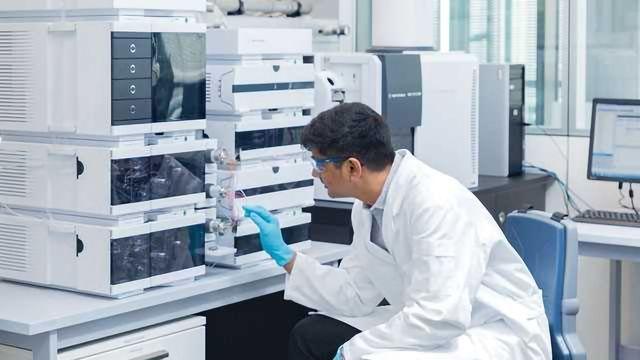
Two research groups can use the same laboratory instrument and still obtain results that are difficult to compare. One team works early in the morning, while another runs samples after hours. Maintenance, software settings, and operator habits may differ between sessions. During planning, a researcher searching for pura peptides FOXO4-DRI legit should distinguish questions about a supplier from questions about experimental reliability. Even properly identified research material cannot compensate for an instrument whose performance changes without anyone noticing or recording why.
A Shared Instrument Is Not Static
Researchers often think of an instrument as a fixed part of the laboratory, yet its condition changes over time. Components wear, calibration drifts, and software receives updates. Even cleaning routines may affect subsequent measurements. A shared equipment calendar should therefore do more than reserve time slots. It can link each session to relevant maintenance and performance records. When unexpected measurements appear, researchers can examine what happened between sessions instead of immediately assuming that their samples behaved differently from the previous week.
Record Settings Before Starting Work
A familiar instrument may retain settings from the last person who used it. That convenience can become a problem when the next project requires a different configuration. Before collecting data, researchers should confirm that the settings match the approved method and document any changes. Saved method files help, but they still require version control and appropriate access permissions. A brief setup check is easier than discovering later that two datasets were generated under conditions that cannot be meaningfully compared consistently.
Match Methods to Research Questions
Not every analytical method answers the same question. A technique suitable for estimating one property may not establish the identity or stability of a particular material. Someone encountering pura peptides HGH frag 176-191 in a catalog should avoid confusing supplier descriptions with evidence generated in their own laboratory. The research team must identify what its chosen instrument can measure, under which conditions, and with what limitations. This distinction keeps experimental interpretation tied to validated methods rather than the appearance of precise numbers.
Build Handoffs Into the Schedule
The most revealing information about an instrument may come from the person who used it yesterday. A short handoff note can flag unusual sounds, interrupted runs, pending repairs, or changes to consumables. Without that communication, the next operator may repeat a failed attempt or mistake a known problem for a new finding. Shared schedules work better when they include time for checks and notes, not just measurements. A few minutes of coordination can protect many hours of subsequent analysis later.
Treat Calibration as Supporting Evidence
A calibration label is useful, but its presence does not guarantee every measurement is reliable. Researchers should know which checks apply to their methods, when those checks were performed, and whether any acceptance criteria were missed. If an instrument has been adjusted or repaired, the team may need to review which earlier results could be affected. These decisions require competent technical oversight. Calibration records become valuable when they help establish the boundaries of trustworthy data, rather than serving as decoration on equipment.
Investigate Differences Across Research Teams
Suppose two teams report conflicting measurements from the same facility. Before arguing about biological or chemical explanations, they can compare instrument history, sample preparation records, operator training, and analysis settings. The goal is not to assign blame but to identify variables that may explain the discrepancy. A planned cross-check using appropriate controls can reveal whether differences persist under comparable conditions. Investigating these practical factors first helps researchers avoid building elaborate explanations around a measurement problem that remains unresolved during subsequent evaluations.
Preserve Context When Data Travels
Laboratory results often leave the instrument computer and enter shared spreadsheets, presentations, or manuscripts. During that transfer, settings and quality-control notes can become detached from the numbers. Teams should retain links to raw files, method versions, instrument identifiers, and relevant deviations. A graph may be easy to share, but without its supporting context, another researcher cannot fully evaluate it. Well-organized metadata makes collaboration more reliable, especially when the person interpreting a result was not present during collection or its initial review.
Conclusion
Research results gain meaning from the conditions under which they were collected. A surprising pattern may reflect an important observation, an equipment change, or a difference in handling that no one intended. Teams consulting purapeptides.com or any other research supplier benefit from keeping those possibilities separate. The better habit is to preserve instrument context as carefully as the data itself. Months later, that record may answer the most valuable question in the project: what actually changed between the two experiments?